


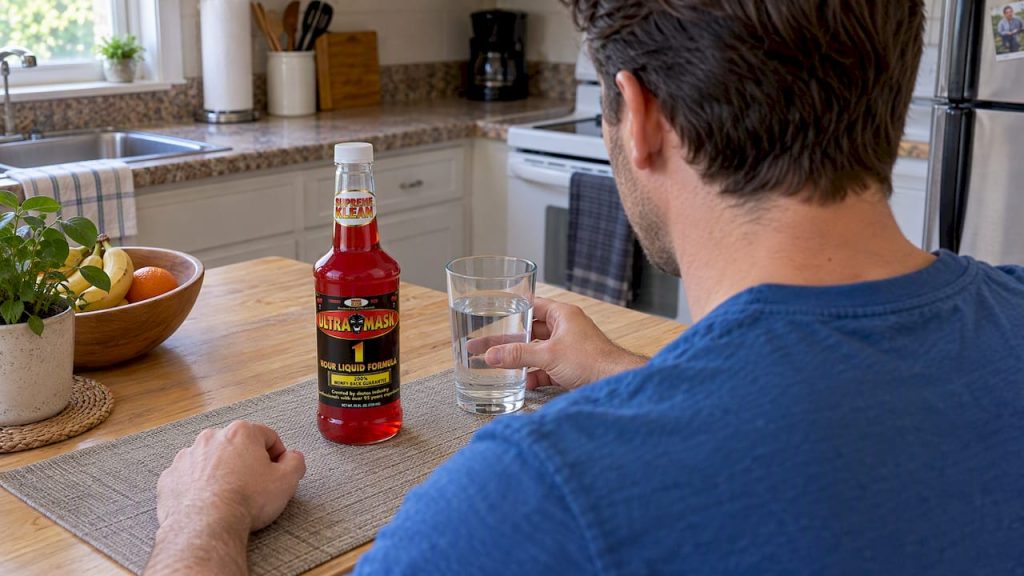
If you’re facing a drug test in the next 24 hours, your realistic priorities are simple: stop using now, avoid any tampering or over-dilution that could flag your sample, and verify your status with an at-home test before you go. There is no guaranteed last-minute detox, and laboratories are built to catch dilution and adulteration. If hair testing is involved, a disciplined Macujo-style cleansing routine is your best available option, though outcomes vary.
TL;DR:
- Hydration should be steady and moderate, avoiding over-drinking in the final hour to prevent lab detection of dilution or adulteration.
- Quick hair detox is limited to surface cleaning and one or two controlled treatments, which may reduce drug traces but cannot guarantee a negative result.
- Validity checks in urine testing detect dilution, temperature anomalies, or tampering, making last-minute masking attempts ineffective or risky.
- At-home testing before the actual test can provide critical insight into sample validity and help determine if you need professional guidance.
- Tampering with samples, using unapproved detox products, or hiding prescriptions carries legal and procedural risks, with lab testing designed to catch such attempts.
Table of Contents
- Immediate Steps to Take for a Urine Test Today
- Can You Prepare Your Hair in Just One Day?
- Last-Minute Mistakes That Usually Backfire
- How Long Drugs Stay Detectable in Urine, Saliva, and Hair
- Checking Yourself Before You Go
- What Our Experience and the Research Both Say
- Food, Drinks, and Medications That Can Skew Results
- The Legal Risk of Substituting or Tampering With a Sample
- Signs to Watch for While You Abstain
- Managing Stress and Hydration in Your Final Hours
- Honesty, Consequences, and When to Get Expert Help
- Products and Support You Can Access Right Now
- FAQ
- Sources
Immediate Steps to Take for a Urine Test Today
Your urine test strategy in the next 24 hours comes down to timing, moderation, and verification, not aggressive flushing.
Start with hydration earlier rather than later. Drink water steadily through the day instead of chugging large amounts right before your appointment. Overhydrating in the final hour is the single most common mistake people make, and it is also the easiest thing for a lab to catch. Laboratory validity testing checks creatinine, pH, and specific gravity specifically to catch dilute samples, and a flagged result usually means a retest under tighter observation.
Plan your last bathroom break carefully. Urinating an hour or two before collection, then producing a fresh sample at the test site, generally gives you a cleaner read than holding one large volume all day.
Be skeptical of over-the-counter “flush” pills marketed for same-day use. Most rely on diuretics and vitamin B to mask dilution, a tactic labs have specifically learned to detect through validity panels.
Before you leave for your appointment, run a home urine test with built-in creatinine and specific gravity strips. If your readings look normal and your result is negative, you have real information instead of a guess.
Watch for the red flags that trigger observed or confirmatory testing:
- Urine that’s too clear or has an unusual odor, often a sign of dilution or an additive
- Temperature outside the accepted range (collectors check this within minutes of collection)
- Creatinine or specific gravity readings outside normal limits
- Visible signs of tampering, like residue or an unusual container
Pro Tip: Test yourself at home with the same type of dip card used at most collection sites so you’re not guessing about validity markers on test day.
Can You Prepare Your Hair in Just One Day?
Hair testing is built to catch longer-term patterns because drug metabolites bind inside the hair shaft as it grows, making a 24-hour window a very tight timeframe to affect results. You’re not trying to “clear” months of hair growth. You’re trying to strip as much surface and near-surface residue as possible before a sample is cut.
A condensed Macujo-style approach is the most practical option in a short window:
- Wash and clarify. Use a deep-cleaning shampoo to strip oils and buildup before any treatment product touches your hair.
- Apply a detox treatment. A product like our Macujo Aloe Rid Shampoo is formulated to work through the cuticle and help cleanse residue from the hair shaft rather than just the surface.
- Repeat if time allows. A single pass rarely matches multiple controlled cycles, but in 24 hours you’re limited to one or two rounds done correctly rather than rushed.
- Rinse and dry without heat damage. Excessive heat or harsh chemical combinations can damage the hair shaft in ways a lab tech may notice.
A 2023 laboratory study found that multi-step cosmetic hair treatments reduced detectable drug concentrations in hair by substantial percentages, including up to around 90% for cocaine and over three-quarters for methamphetamine, though reductions like these don’t guarantee a negative result.
That gap matters. Hair is a forensic matrix designed to resist tampering, and even aggressive washing often leaves a substantial fraction of incorporated drugs behind, especially in porous or previously damaged hair. Treated hair can still test positive, and visible cosmetic damage can draw suspicion from lab technicians reviewing the sample.
If a hair test is likely, your most useful moves right now are checking an at-home hair test if one is available, writing down your recent coloring or chemical treatment history in case it’s relevant, and reaching out for a private consultation to walk through your specific hair type and timeline. For background on how hair testing works, our hair follicle testing guide breaks down the mechanics in more detail.
Last-Minute Mistakes That Usually Backfire
A few common shortcuts cause more problems than they solve in the final 24 hours.
- Chugging large amounts of water to “flush” your system almost always produces a dilute sample, which labs flag and often require you to retest under closer observation.
- Adding anything to your sample, from household chemicals to commercial additives, is caught by the same validity checks that screen for dilution.
- Extreme home remedies involving baking soda overloads, bleach, or megadoses of vitamins carry real health risks and rarely change lab results.
- If you take prescription medication, bring documentation and disclose it to the collector instead of trying to hide or alter anything.
Our guide to what to do and what not to do on test day covers more of these scenarios in detail.
How Long Drugs Stay Detectable in Urine, Saliva, and Hair
Whether 24 hours makes any real difference depends entirely on the drug and the specimen type.
- THC: urine typically 3 to 30 days depending on use frequency, saliva often 24 to 72 hours, hair up to 90 days
- Cocaine: urine 2 to 4 days, saliva up to 24 hours, hair up to 90 days
- Methamphetamine: urine 3 to 5 days, saliva 24 to 48 hours, hair up to 90 days
- Opiates: urine 2 to 4 days, saliva 24 to 48 hours, hair up to 90 days
- Benzodiazepines: urine up to 7 days for some types, saliva 24 to 48 hours, hair up to 90 days
Oral fluid testing often has the shortest window of the three, with many drugs detectable for only up to about 24 hours, which means very recent use is more likely to show up there than in urine or hair, while older use has often already cleared saliva by test time. If your use was recent, saliva is the specimen least forgiving of a 24-hour window. If your use was weeks or months ago, hair is the one least likely to change no matter what you do today.
Checking Yourself Before You Go
An at-home urine dip test with creatinine and specific gravity strips, or a rapid oral fluid test like our 12-panel saliva screening, gives you real data instead of a guess before you walk into collection.
Read the validity strips carefully: normal temperature, creatinine above the minimum threshold, and specific gravity in the typical range all matter. If your home test comes back invalid, don’t just retest the same way.
- Negative result with normal validity markers: proceed to your appointment as planned.
- Positive or invalid result: document any prescriptions, consider a consultation, or ask about rescheduling if that’s an option.
What Our Experience and the Research Both Say
We’ve worked with the Macujo Method and detox product formulation for over 20 years, and the research backs up what we see consistently: hair decontamination can meaningfully lower drug concentrations, but it isn’t absolute.
- Multi-step cosmetic treatments can reduce detectable concentrations substantially, which is why product sequencing and timing matter more than any single wash.
- Validity testing on the urine side catches dilution and adulteration reliably, which is why we steer people toward verification rather than masking.
- Private consultations exist because hair type, treatment history, and timeline all change what’s realistically achievable in a short window.
Pro Tip: If your hair has been chemically treated recently (color, relaxer, perm), mention that during a consultation since it changes both porosity and strategy.
Food, Drinks, and Medications That Can Skew Results
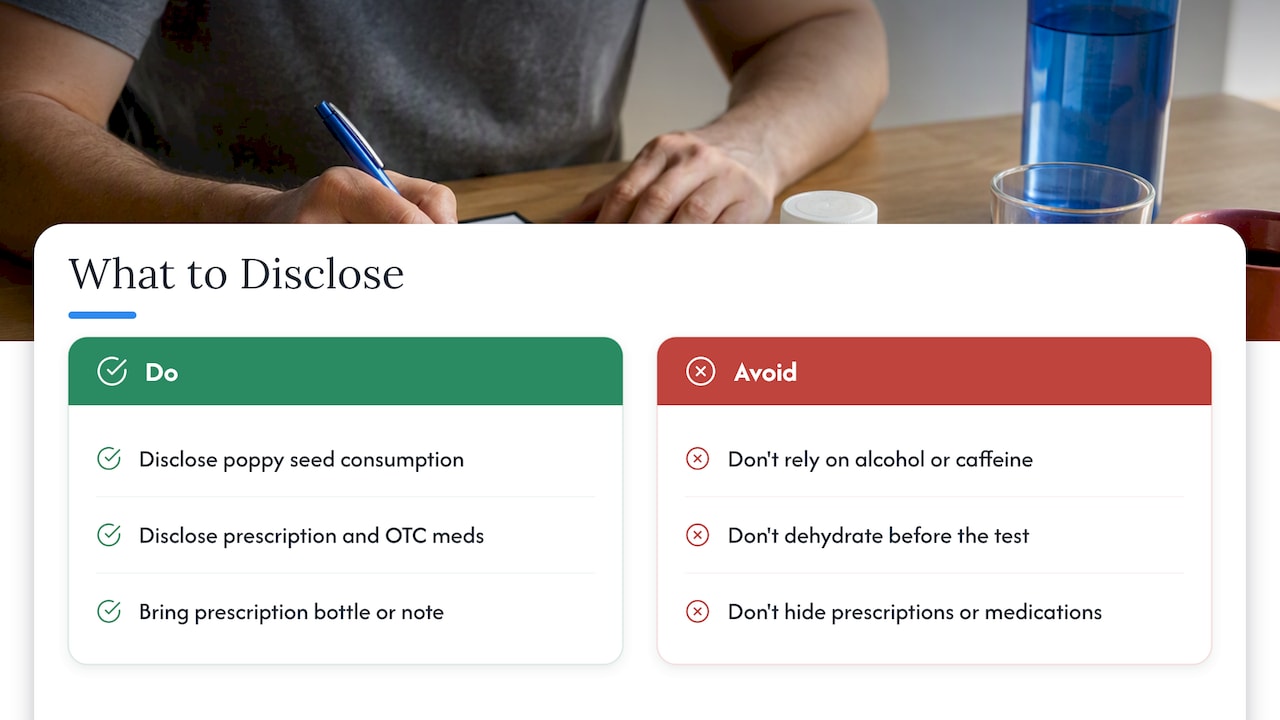
What you eat and take in the last 24 hours can influence a test result in ways that have nothing to do with intentional use. Poppy seeds, for example, have been documented to cause positive opiate screens in some cases, which is why disclosing any recent consumption to the collector or MRO matters.
Certain prescription and over-the-counter medications, including some antihistamines, decongestants, and antidepressants, have been associated with false positives on initial screening panels. This is one reason the MRO review process exists: a Medical Review Officer evaluates unusual results against your disclosed medications before anything is reported as a verified positive.
Alcohol and heavy caffeine intake won’t clear drugs from your system faster, and dehydrating substances can actually work against the steady hydration approach that helps produce a normal, testable sample. If you’re on a prescribed medication, bring your prescription bottle or a note from your prescriber. It’s far more effective than hoping the topic never comes up, and it gives the MRO something concrete to review if your result needs a second look.
The Legal Risk of Substituting or Tampering With a Sample
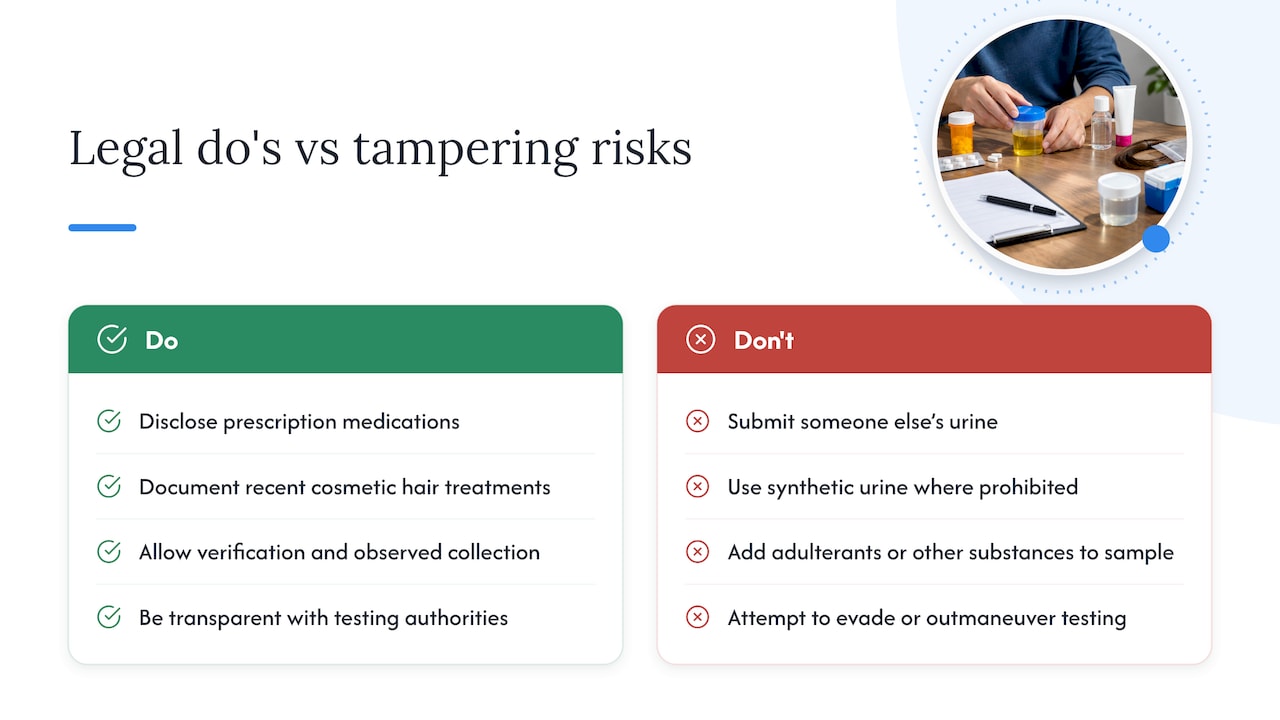
Submitting someone else’s urine, using synthetic substitutes where they’re prohibited, or adding substances to your sample isn’t just risky for your test result, it can carry legal consequences depending on your jurisdiction and the context of the test (employment, probation, legal proceeding).
Many states have specific statutes against selling, distributing, or using adulterants or substitute urine with intent to defraud a drug test, and workplace drug testing programs typically treat detected tampering as an automatic failure, sometimes with consequences beyond the test itself. Laboratory validity testing is specifically designed to catch these attempts, and a flagged sample routinely triggers MRO review or a second, more closely observed collection.
The more defensible path, especially under time pressure, is transparency: disclose prescriptions, document any recent cosmetic hair treatments if hair testing is involved, and let the verification process work as intended rather than trying to outmaneuver it. Our overview of different testing tactics walks through which approaches carry real risk and which are more reasonably within the rules.
Signs to Watch for While You Abstain
Stopping use abruptly in the 24 hours before a test can bring on mild physical and mental symptoms depending on what you’ve been using and how regularly. Irritability, restlessness, and difficulty sleeping are common, especially with stimulants or regular cannabis use.
Headaches and mild nausea can show up too, often tied to dehydration or disrupted sleep rather than withdrawal itself. Keep an eye on your hydration level since both dehydration and overhydration can work against you during collection.
If you notice shakiness, significant sweating, or a racing heartbeat, those are worth paying attention to beyond just the test. Short-term abstinence symptoms are usually mild, but if anything feels severe, it’s a signal to focus on your well-being first and address the test logistics separately.
Managing Stress and Hydration in Your Final Hours
Stress alone won’t cause a false positive, but it can make the next 24 hours harder to manage well, and poor sleep or skipped meals can throw off your hydration balance right when you need it steady.
Aim for consistent, moderate water intake through the day rather than either extreme. Pair that with normal meals and some light movement if you can, since both support your body’s normal processing without the risks that come from crash dieting or sudden intense exercise right before a test.
Simple breathing exercises or a short walk can help take the edge off anxiety before an appointment, and arriving calm also makes you less likely to make a rushed, regrettable decision like trying a last-second additive or an ineffective online hack. A steady, boring approach beats a dramatic one in the final hours.
Honesty, Consequences, and When to Get Expert Help
Tampering risks more than a failed test: it can mean termination, legal exposure, or a flagged record with an MRO. Transparency about prescriptions and testing history protects you better than masking ever does. If your situation is complicated, a paid consultation is worth the cost over guessing alone.
— Detox Experts
Products and Support You Can Access Right Now
If you need to act today, we carry a focused lineup built for exactly this situation.
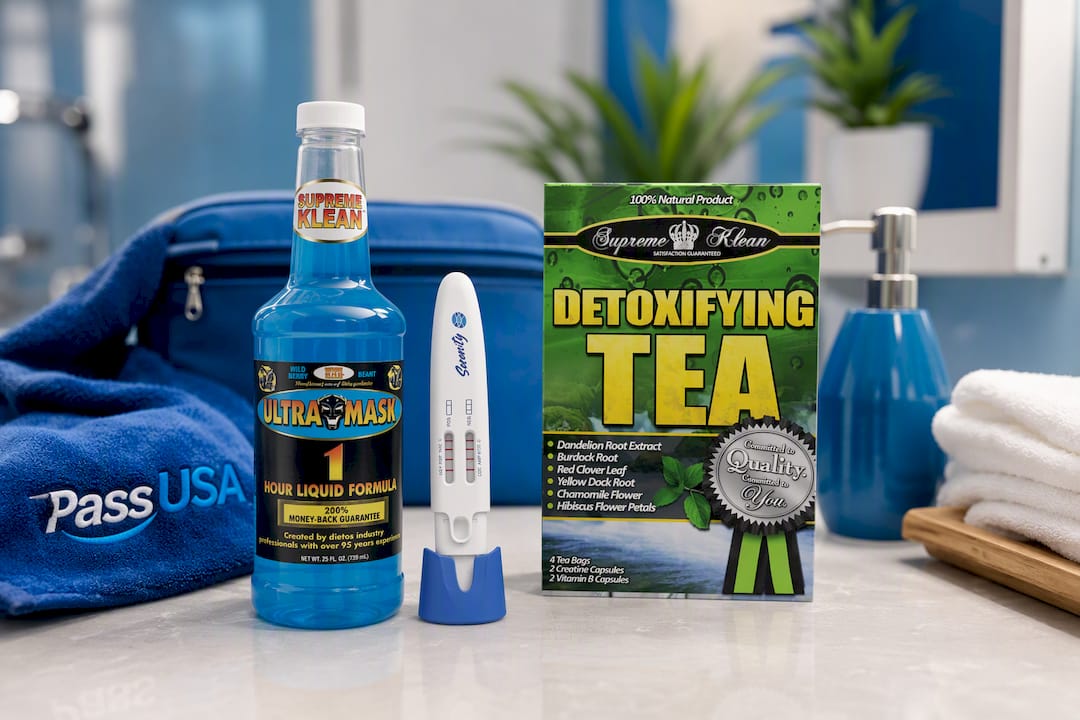
- Our Macujo Premium Detox Drink is formulated for fast-acting full body cleansing when time is short.
- Our Macujo Premium Detoxifying Tea offers a natural herbal flush option alongside your hydration plan.
- Our 12-panel oral fluid saliva test gives you a rapid, pen-style way to check your status before you go.
- A private consultation with Mike Macujo walks you through a plan specific to your hair, your timeline, and your test type.
Pick up a home test today and book a consultation if your situation calls for more than a general plan. Browse our full hair, urine, and saliva test products to get started.
FAQ
How can I clear my system before a drug test?
There’s no verified method to clear a system completely within hours, but you can support your body’s normal processing through steady hydration, avoiding new use, and verifying your status with an at-home test. For hair testing, a disciplined cosmetic cleansing routine can lower detectable concentrations, though results vary by hair type and history.
How long before drugs can be detected in urine?
Detection timing depends on the drug and your use pattern, but general guidelines suggest many substances are detectable within hours of use and can remain detectable in urine for several days to weeks. Frequency, dose, and metabolism all affect the actual window.
Does drinking a lot of water flush drugs out of urine?
Heavy water intake dilutes your sample rather than removing drugs from your system, and laboratory validity testing is specifically designed to catch dilute results. A flagged dilute sample typically leads to a retest under closer observation instead of a clean pass.
What throws off a urine drug test?
Dilution from overhydration, unusual temperature readings, abnormal creatinine or specific gravity, and any added substances are the main things that flag a urine sample during laboratory validity checks. Certain medications and foods, like poppy seeds, can also trigger results that require MRO review rather than outright failure.
Sources
- Hair analysis: Assessment of homemade hair treatment effects on drug concentrations in the keratin matrix
- Understanding the employee drug testing experience | Labcorp
- Manipulation of THC Hair Concentrations by Commercially Available Products – PMC
- MRO Manual | SAMHSA