


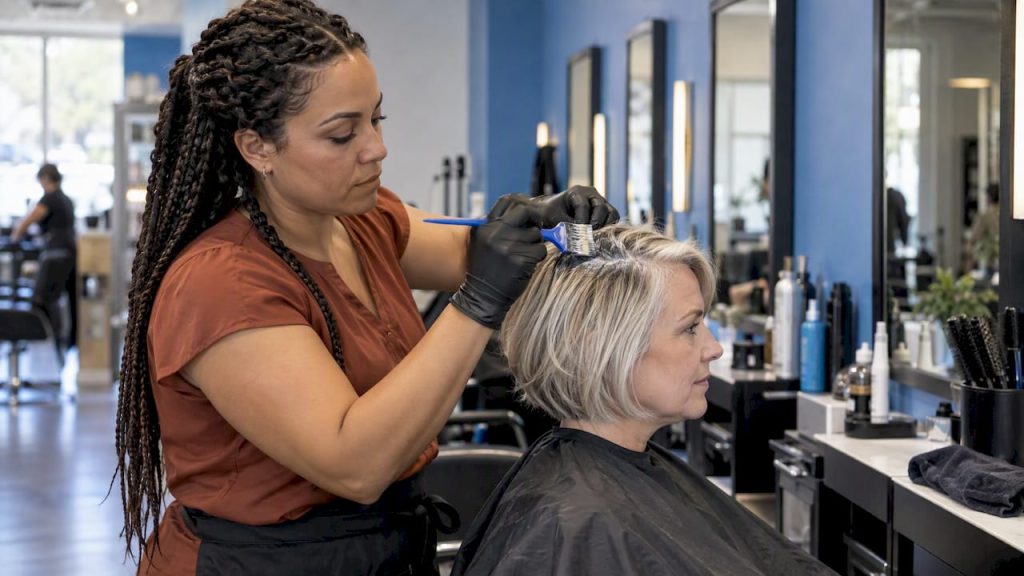
Dyeing your hair can lower the drug concentrations a lab measures, and bleaching usually lowers them more. But neither is a dependable way to pass. Studies of real samples show treated hair still tests positive often, and damaged hair brings its own problems. If you have a hair follicle test coming, a planned wash routine beats a box of dye.
This guide covers what the research says about dye, bleach and vinegar rinses, why labs can’t simply tell you the result is “void,” and how to prepare properly. It also touches on urine and saliva tests, because the rules differ a lot by test type.
TL;DR
- Dye and bleach lower measured drug levels in lab studies, but the drop varies a lot and treated hair can still test positive.
- Bleaching and strong chemicals damage the hair, and labs cannot reliably tell cosmetic treatment from deliberate tampering.
- Vinegar rinses show up inside multistep home routines, so results cannot be credited to vinegar alone.
- A product-based cleansing protocol, started early and followed exactly, is a more controlled approach than gambling on dye.
- DOT-regulated tests do not use hair at all, so check which test you actually face.
Table of Contents
- Does hair dye affect a hair drug test?
- Does bleaching hair change the result?
- Apple cider vinegar and hair drug tests
- How a hair test works, and why timing matters
- Can the lab tell you dyed your hair?
- A safer way to prepare: a hair cleansing protocol
- What if you have short or no head hair?
- Urine and saliva tests: different rules
- Perspective
- Start your hair prep with Passusa
- FAQ
- Sources
Does hair dye affect a hair drug test?
Yes, it can. A 1997 study of cosmetically treated hair found lower drug content in every bleached or dyed sample it examined. Most average decreases for cocaine, its metabolite benzoylecgonine, codeine, 6-acetylmorphine and THC-COOH (the marijuana metabolite hair labs look for) landed between 40% and 60%. Morphine dropped by more than 60%. In that study, dyeing generally lowered concentrations less than bleaching did, and the more damaged the hair, the bigger the decrease.
A 2023 review of sample manipulation adds nuance. Findings for temporary dyes were mixed and varied by drug. Permanent coloring generally lowered concentrations. The size of the effect depends on how stable the drug is, how much was in the hair to begin with, and the properties of your particular hair.
So the honest answer to “does hair dye affect a drug test” is: it can change the number, by an unpredictable amount, and the number is only part of the story.
Why a lower number is not a pass
Labs compare your result against a cutoff. Lowering the concentration only helps if it falls under that line, and you don’t know where you start. A heavy history of use may leave you far above the cutoff even after a 50% drop. A light history may already be near it.
The real-world evidence supports this. A 2014 study of 9,488 untreated and 1,026 cosmetically treated authentic samples found significantly lower concentration percentiles in treated hair. Yet it found no significant difference in positivity rates for the drugs tested or for the alcohol marker EtG. The authors concluded that dyed or bleached hair is not automatically unusable for testing, because drugs often remained detectable despite treatment.
In plain terms: dye shifts the odds a little, not enough to build a plan on.
Does bleaching hair change the result?
Bleaching has the strongest effect of the common cosmetic treatments. A 2025 review in the Journal of Applied Laboratory Medicine states that bleaching significantly reduces the concentrations of cocaine metabolites, GHB, benzodiazepines and opioids that were incorporated from the inside, through the bloodstream. That can change whether a sample crosses a laboratory cutoff. The same review also notes that bleached hair can still test positive in authentic samples, so bleaching does not reliably erase detection.
There is a second catch. Damaged hair may absorb more of the contaminants deposited on it from the outside, such as smoke residue. Strong-base cosmetic products damage the hair matrix, and as the 1997 researchers observed, loss from the matrix and increased uptake from contamination can push in opposite directions. You can strip some drug and still leave the hair more vulnerable.
What about home “strip” routines?
A 2023 Drug Testing and Analysis study tested homemade treatments. A multistep routine using baking soda, salicylic acid and bleach cut measured concentrations by up to 90% for cocaine, 81% for benzoylecgonine, 77% for morphine, 89% for 6-MAM, 80% for MDMA, 76% for methamphetamine and 60% for THC. Note the last figure. THC was the least affected on that list, and it is the drug most of our customers are worried about.
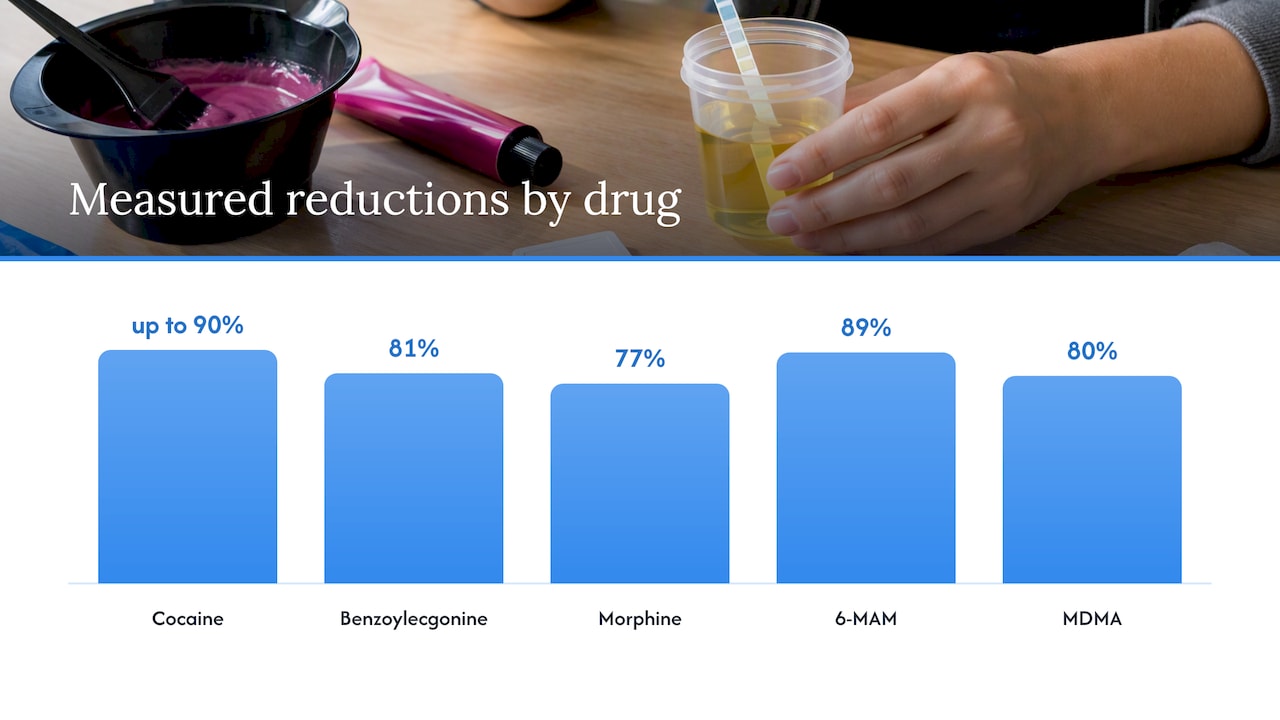
Those are laboratory results on prepared samples. They don’t account for what repeated harsh treatment does to a real head of hair: breakage, dryness, and hair that looks obviously treated to a collector.
Apple cider vinegar and hair drug tests
Apple cider vinegar is one of the most searched home remedies, and it deserves a straight answer. In the Italian homemade-treatment study above, the vinegar involved was white wine vinegar, and it was only one step in a multistep treatment. The measured drops came from the whole routine, with its baking soda, salicylic acid and bleach, not from vinegar by itself. Nothing in that work supports the idea that a vinegar rinse alone clears a hair test.
What vinegar does in practice is change surface feel and pH. That may make hair look cleaner. It does not reach drug that has been locked into the hair shaft from the blood. If you’re reading a forum post that promises a vinegar-only fix, treat it as a story, not a protocol. We explain why in our comparison of natural detox and product protocols.
How a hair test works, and why timing matters
A hair test reads what your blood delivered to the growing follicle. The 2025 review reports that drugs can enter the hair bulb within roughly 30 minutes to an hour after ingestion. Drug-containing hair usually does not appear above the scalp for at least a couple of days, and sometimes up to 10 days.
That is why a hair test says little about last night and a lot about the past few months. A 2017 review notes that a 3 cm scalp-hair sample is commonly used to assess roughly the preceding three months. It also says single or very recent use may escape detection, and that growth-rate variation limits interpretation. For comparison, the UNODC laboratory manual puts the general detection window for hair at months to years, versus several hours to 3 days for urine and several hours to 1 to 2 days for blood.
We go deeper on why the “90 days” figure can mislead in our guide to the hair test detection window.
Factors that move the result
The UNODC manual lists the things that can affect drug concentrations in hair: hair color and melanin, ethnic type, shampooing, bleaching, dyeing, waving, relaxing, strong bases, sunlight, rain and wind. Hair color matters in particular. SAMHSA’s hair pigmentation review explains that drugs bind to melanin, so darker hair can show higher incorporation for the same exposure.
The practical lesson is that two people with identical habits can get different numbers. It also means grooming choices, including how often and how you wash, are part of the picture.
Can the lab tell you dyed your hair?
The 2023 review is blunt that laboratories cannot reliably distinguish deliberate chemical manipulation from ordinary cosmetic treatment based on the hair sample alone. Millions of people color their hair for ordinary reasons. That cuts both ways. A treated sample is not automatically flagged as tampering, but it also isn’t automatically accepted as valid evidence of a clean result.
Two more points protect you if a result comes back wrong:
- Hair tests have variable sensitivity, and the 2017 review says positive screening results should receive confirmatory testing, preferably with mass spectrometry. Ask whether yours was confirmed.
- Hair concentration does not track dose or frequency of use closely, per the 2025 review. A number alone cannot prove how much or how often.
If you believe a positive is wrong, read our guide on a false positive hair test for the confirmation and appeal steps.
A safer way to prepare: a hair cleansing protocol
If your goal is to walk into a collection with hair that has been properly cleansed, a structured wash routine is more controlled than stacking dye and bleach. Our approach is built on the Macujo Method, which combines specific products used in a set order and timing. We designed the routine to be done on your normal hair, without bleaching it.
Here is how we suggest thinking about it:
- Find your date, then count back. Start as early as you can. Rushing is what pushes people toward harsh chemicals.
- Stop adding contamination. Smoke exposure, residue and unwashed hair work against you.
- Cleanse with a purpose-made shampoo. Our Macujo Aloe Rid Shampoo is designed to cleanse hair of toxins before a hair follicle test, as part of the full method rather than a one-off wash.
- Follow the schedule exactly. The step-by-step video instructions and the Macujo Method calculator tell you how many washes your situation calls for.
- Keep hair natural. Avoid fresh dye, bleach or relaxer in the days before the collection, which can leave hair looking treated and damaged.
Our step-by-step walkthrough is in how to pass a hair drug test, and the marijuana-specific version is in our hair follicle drug test marijuana guide.
Test it yourself first
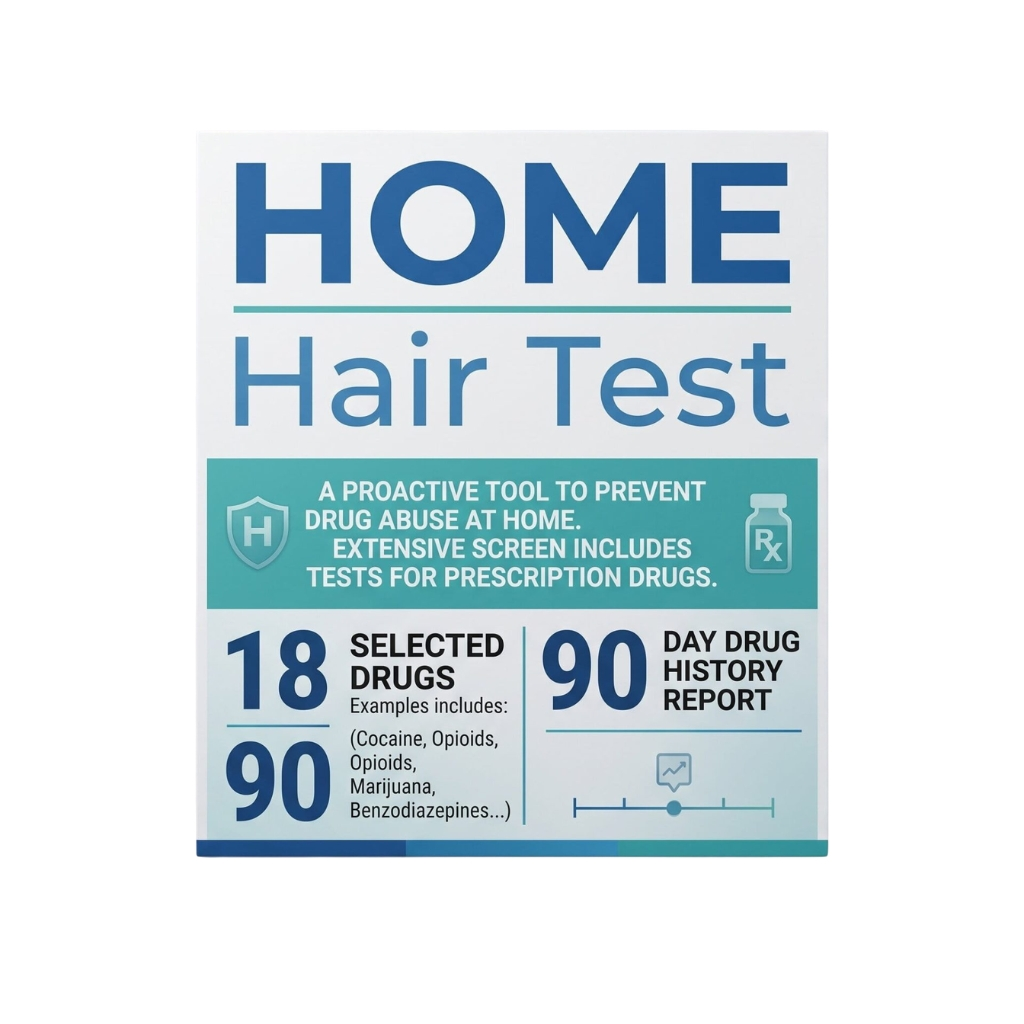
It helps to know where you stand before the real thing. An at-home hair follicle drug test kit gives you a private read in advance, so you can plan your washes with a clearer picture.
What if you have short or no head hair?
Labs can use body hair when head hair is not available, and the window it represents can be much longer. If you are considering shaving as a shortcut, read what labs actually do in our shaved head drug test guide and the notes on body hair drug tests first. A collector who finds no head hair will usually go to another site.
Urine and saliva tests: different rules
Dye and bleach are irrelevant for these tests, which is worth knowing because the preparation is completely different.
Urine. Urine detects use over a much shorter window, hours to a few days per the UNODC manual. Preparation centers on timing, hydration and, for people with limited time, products designed for the urine test. Our urine range includes drinks, teas and synthetic urine kits.
Saliva. Oral-fluid tests look at very recent use. A detox mouthwash is made for that short-window situation.
DOT-regulated jobs. If you drive a commercial vehicle or hold another DOT-regulated safety-sensitive role, hair isn’t part of the program. 49 CFR Part 40.210 authorizes urine and oral-fluid specimens and expressly does not authorize hair testing. DOT’s 2023 rule summary confirms an employer may use either urine or oral fluid for a DOT test, subject to certification and implementation requirements. Ask your employer which test applies before you spend time on hair.
For employers that do use hair, the state and local rules matter too. See our pre-employment drug test laws guide.
Perspective
After more than 20 years of helping people through drug screenings, the pattern we see is consistent: the people who struggle most are the ones who try one clever trick the week before. Dye, bleach and a vinegar rinse are tempting because they feel like action. But they are blunt tools. The lab data shows concentrations can fall, and it also shows treated hair still testing positive in real samples.
What works better is a plan. The Macujo Method matches the product to the test, whether hair, urine or saliva, and lays out the timing so you are not guessing. For hair, that means cleansing with the Macujo Aloe Rid Shampoo as part of a schedule built around your hair and your date, without wrecking the hair you walk in with.
The other half is support. You should not have to decode a calculator alone. That is why we offer consultations, and why we stay with you until you pass your test.
Detox Experts
Start your hair prep with Passusa
If your test is coming up, start with our hair range. It includes the Macujo Aloe Rid Shampoo for hair follicle prep, plus related products for urine and saliva screenings. Browse the full set at Passusa hair, urine and saliva test products.
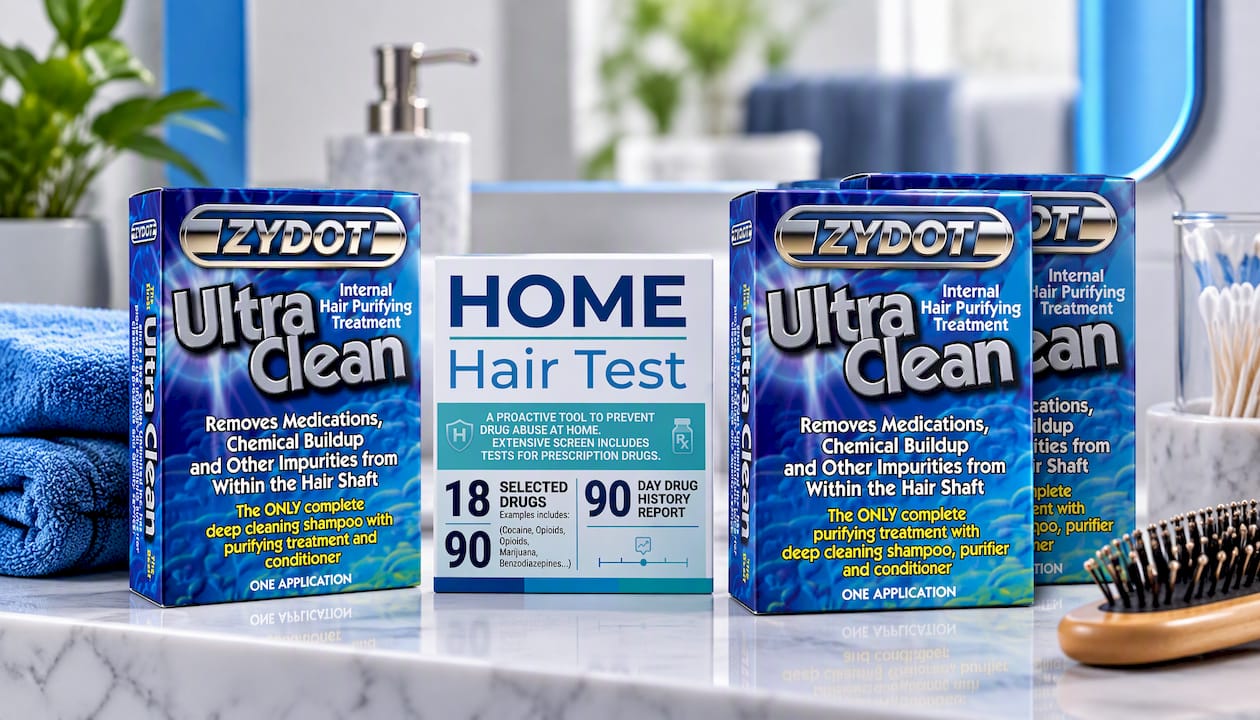
Not sure how many washes you need, or which test you face? Book a private consultation with Mike Macujo and get a plan that fits your hair, your timeline and your employer’s test. If you want to see how others handled it first, our page on drug test success stories explains what such stories do and don’t prove. For a broader overview of the process, see our page on drug testing hair follicle.
FAQ
Does hair dye alter a hair follicle test?
It can. Lab studies show dyeing lowers measured drug concentrations, usually by less than bleaching. However, the effect is unpredictable, and large studies of real samples found treated hair still tests positive at similar rates. Dye should not be your plan.
Will bleaching my hair make me pass?
Bleaching can reduce measured levels of several drug classes, and sometimes enough to cross under a cutoff. But bleached hair has also tested positive in authentic samples, and the damage can be obvious. It’s not a reliable method.
Does apple cider vinegar work on a hair drug test?
There is no evidence that vinegar alone does. The one study involving vinegar used white wine vinegar as one step in a multistep routine with baking soda, salicylic acid and bleach, so the results can’t be credited to vinegar. A purpose-made cleansing shampoo used on a schedule is a more structured approach.
Can a lab tell if I dyed my hair?
A lab can often see that hair has been cosmetically treated, but researchers say it cannot reliably separate ordinary cosmetic treatment from deliberate manipulation using the sample alone. If you get a positive you dispute, ask for confirmation testing.
Does a DOT drug test use hair?
No. DOT-regulated tests use urine or oral fluid, and hair testing is not authorized under 49 CFR Part 40. Non-DOT employers can still choose hair, so confirm your specific test.
Sources
- Influence of the cosmetic treatment of hair on drug testing (1997)
- Advances in testing for sample manipulation in clinical and forensic toxicology (2023)
- Utility of coloured hair for the detection of drugs and alcohol (2014)
- Review on Toxicology Testing in Hair, Journal of Applied Laboratory Medicine (2025)
- Hair analysis: Assessment of homemade hair treatment (2023)
- Hair analysis for the detection of drug use (2017)
- UNODC guidelines for testing drugs in hair, sweat and oral fluid
- SAMHSA hair pigmentation literature review
- DOT 49 CFR Part 40.210
- DOT Part 40 Final Rule summary of changes